At our psychiatry practice in Colorado Springs, we often get questions from patients who are hesitant about TMS because of things they’ve heard or read about TMS. Most of the time, their fears are based on myths or misunderstandings about what TMS is and how it works. Once we explain what TMS is – and show the dramatic results of patients who have undergone TMS therapy – their attitude quickly changes from skepticism about TMS to enthusiasm.
In this post we’ll explore some common myths and misconceptions about TMS. You may have heard some of these as well. It’s important to separate the facts from the rumors about TMS therapy so you can make a better-informed decision.
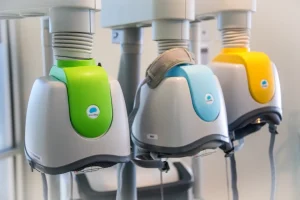
As one of the leading TMS clinics in Colorado Springs, we have many years of experience administering TMS to patients, so we can help clear up some of the misunderstandings about TMS treatment. At Colorado Psychiatry Solutions, we use both Brainsway and MagVenture TMS devices, so we’re familiar with more than one type of TMS device and can help answer questions about both.
So let’s take a look at what TMS is . . . and what it isn’t.
What Is TMS Therapy?
TMS (Transcranial Magnetic Stimulation) is a non-invasive, FDA-approved treatment that uses magnetic pulses to stimulate specific areas of the brain involved in mood regulation. Non-invasive means the treatment does not require cutting or inserting anything into the body – not even medication.
TMS is a leading treatment for depression, anxiety, PTSD, OCD, and other mental health disorders because it is highly effective even when other treatments have failed. TMS is typically administered in a psychiatry practice, such as at our clinic locations in Colorado Springs and Monument.
Myth #1: TMS is the Same as Electroconvulsive Therapy (ECT)
One of the most common myths is that TMS is the same as electroconvulsive therapy, or ECT. The two are actually very different treatments. ECT involves inducing a seizure under anesthesia and is associated with significant side effects, including memory loss. TMS does not require inducing a seizure and patients are awake and comfortable throughout the entire procedure. TMS works by using magnetic pulses that are similar in strength to those used in MRI machines to stimulate brain changes. There’s no anesthesia, no seizure, and no systemic side effects.
Many patients initially fear TMS because they may have heard of ECT and assume the two procedures are similar. Once they learn the differences, they feel much more assured about starting TMS treatment.
Myth #2: TMS is Painful or Dangerous
Another common misconception is that TMS is painful or dangerous. Not so. While most patients report feeling a sensation such as a light tapping or clicking on the scalp, it is not painful. The mild tapping sensation becomes less noticeable as treatment progresses.
TMS is one of the few depression treatments with no systemic side effects. During treatment, patients may experience mild scalp discomfort or a headache during the first few sessions while the body adjusts to the new sensation. These typically resolve quickly shortly after the treatment session ends.
At Colorado Psychiatry Solutions, we closely monitor patients throughout their sessions to ensure they are comfortable throughout. Patient safety is our highest priority, and TMS treatment has an excellent track record for both safety and effectiveness.
Myth #3: TMS is Only for Severe Depression
TMS is an excellent choice for severe depression or treatment-resistant depression because it uses a treatment mechanism very different from antidepressants. But that doesn’t mean TMS is limited to severe cases. TMS is also highly effective for patients with moderate depression or anxiety who have not found success with talk therapy or medication. The misconception that TMS is only for extreme cases prevents many people from receiving the benefit of TMS therapy.
If you live in the Colorado Springs area, we invite you to visit us and receive a thorough evaluation to see if TMS would benefit you, regardless of how severe you think your depression may be. Colorado Psychiatry Solutions is one of the most trusted TMS clinics in Colorado Springs. We can give you honest answers about TMS and whether it is the right treatment for you.
Myth #4: TMS Doesn’t Actually Work
A healthy dose of skepticism is understandable. We speak with patients every day who have tried multiple treatments without success. Why should TMS be any different? But the research is clear: TMS therapy works. According to clinical studies, approximately 70% of patients with treatment-resistant depression experience a significant improvement in symptoms, and around 50% achieve complete remission. Actual clinical results are even better.
We see these results every day at our TMS clinic in Colorado Springs. Patients who were once unable to get out of bed, hold a job, or maintain relationships begin to feel hopeful, motivated, and engaged with life again.
One Patient’s Story with TMS
Sarah (name changed) is a 37-year-old teacher from Colorado Springs who came to us for depression treatment. Sarah had struggled with depression for as long as she could remember. She’d tried multiple antidepressants and therapy, but nothing seemed to make a lasting difference. When we recommended TMS therapy, Sarah was quite skeptical.
“I thought it was going to be some weird brain shock treatment,” she said. “I didn’t want to mess up my brain chemistry any more than it already was.”
But after her psychiatrist discussed how TMS actually works and cleared up some of the misconceptions Sarah had about TMS (including some of those listed above), she decided to give TMS a try.
During the first few weeks of TMS therapy, Sarah thought it wasn’t working. Her doubts about the treatment resurfaced. Nothing seemed different at all. But her friendly TMS technician at Colorado Psychiatry Solutions encouraged her to stick with it, reminding her that results come later, like working out at the gym.
By week three, she started to notice subtle improvements. She was sleeping better, had a bit more patience with others, and even found herself smiling more. These small improvements continued to grow throughout the remaining weeks of treatment.
When her TMS treatment was finished, Sarah described it this way: “I feel like I got my brain back. I wish I hadn’t waited so long.”
Get Started With TMS Therapy in Colorado Springs
If you’ve heard of TMS therapy but have been hesitant to try it because of misconceptions, hopefully this article has helped dispel some of the myths. TMS is a powerful, clinically proven treatment for depression that delivers real results.
If you are looking for TMS therapy in Colorado Springs or Monument, we encourage you to schedule an appointment at Colorado Psychiatry Solutions. We will be happy to conduct a thorough evaluation and discuss your options, which may include TMS therapy.
Contact us today at 719-622-6522 or request an appointment online to schedule a consultation and find out if TMS is right for you.