

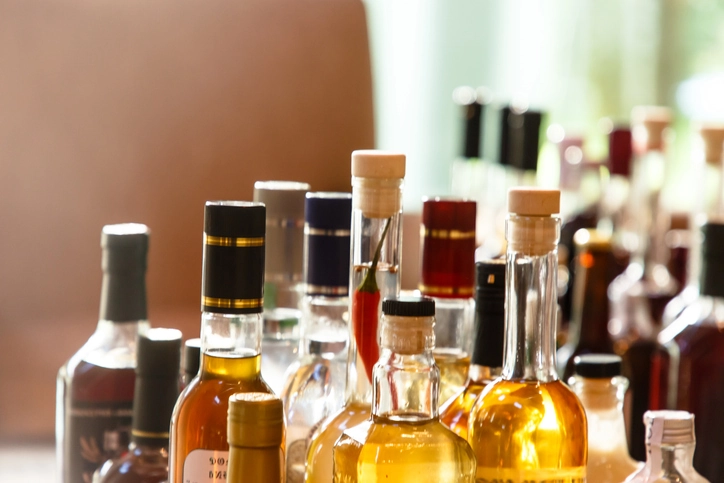
If you’ve been prescribed transcranial magnetic stimulation (TMS) for depression, anxiety, or PTSD treatment, you may have questions about drug interactions with TMS. TMS itself is not a drug, so there are no drug interactions per se, at least not in the way we commonly think of them (do not take drug X if you are also taking drug Y as it can have serious negative consequences).
TMS does act directly on the brain, though, so other substances that also impact the brain, such as alcohol and TMS, must be carefully considered while undergoing TMS treatment.
Policy on Alcohol and Cannabis use during TMS at Colorado Psychiatry Solutions
While some psychiatry clinics require total abstinence from alcohol or cannabis before starting TMS, at Colorado Psychiatry Solutions we are more flexible. Our goal is always to help patients. Imposing strict requirements for abstinence prior to TMS treatment may be counterproductive to the overall goal of improving patients’ mental health.
Your provider will work with you to weigh safety and effectiveness of treatment at your current usage level. Because alcohol and cannabis can diminish the effectiveness of TMS therapy, in general we recommend tapering or pausing alcohol and cannabis use while you’re in treatment. That said, we do allow low, infrequent use when it’s safe and appropriate.
Please discuss your alcohol and cannabis usage openly with your provider. We can provide the best guidance only if we have an accurate understanding of your consumption habits.
How Alcohol Impacts TMS
TMS works by gently modulating brain circuits, particularly the prefrontal cortex, to help overcome brain disorders like depression or anxiety. Alcohol is a central nervous system depressant. Alcohol intoxication has been shown to reduce prefrontal cortex activity, potentially counteracting the neuroplastic changes that TMS is trying to create. Consuming alcohol while undergoing TMS treatment may make TMS less effective, resulting in a lower outcome than might otherwise be possible.
TMS is a very safe procedure. However, a widely cited clinical report noted the single seizure in a major clinical trial happened in a participant who had engaged in heavy alcohol use the night before a session. Because of this rare possibility, TMS clinics like Colorado Psychiatry Solutions typically recommend that patients avoid alcohol during treatment as a safety precaution.
Interestingly, TMS is being studied as a treatment aid for addictive behaviors. It has already been approved as a treatment to help with smoking cessation. In studies using TMS to treat alcohol use disorder, researchers concluded that TMS may decrease alcohol craving in some people, but findings are inconclusive and warrant more research.
For now, because alcohol can decrease the brain responsiveness that TMS relies on, we recommend avoiding alcohol during TMS treatment, but our clinic does not impose a strict abstinence requirement on patients prior to starting TMS. We allow for flexibility in individual cases and urge all patients to speak candidly with their provider about alcohol use during TMS treatment.
How Cannabis Impacts TMS
As a cannabis-legal state, Colorado sees a fair amount of cannabis usage. As a psychiatrist in Colorado Springs, we see many patients who are using cannabis either recreationally or medically.
As explained above, TMS acts by inducing specific changes in targeted areas of the brain. These changes include targeting the reward centers of the brain, which show lowered activation in patients with depression.
Cannabis changes cortical inhibition/excitation. Studies show that chronic cannabis use is associated with reduced short-interval cortical inhibition and altered excitability, suggesting cannabis can shift the way the brain interprets stimulation.
While this could potentially cause issues with TMS, we don’t yet have definitive evidence that cannabis reduces the response to TMS, but changes in excitability could affect dosing (motor threshold) and neuroplasticity, which would have a direct impact on treatment efficacy. This is why we ask patients to keep usage minimal during treatment and to inform us of any changes.
Are alcohol or cannabis contraindications to TMS?
In medical terminology, a contraindication is a symptom or condition that could make a medical treatment potentially harmful or inadvisable for other reasons. For example, before prescribing medication we will ask if you have known allergies. Those would be a contraindication to prescribing certain types of medication.
Neither alcohol nor cannabis are listed as contraindications for TMS by the FDA. While caution is still warranted, this supports our individualized approach rather than a firm prohibition on alcohol and cannabis use prior to starting TMS.
How we Decide Together with Patients
At Colorado Psychiatry Solutions, we emphasize the patient experience and obtaining excellent patient outcomes. In many cases, it may be better to start a patient on TMS treatment rather than waiting for a period of abstinence that delays – perhaps indefinitely – receiving needed treatment. As always, the individual circumstances of each patient are carefully considered.
If you are struggling with depression, anxiety, PTSD, or another mental health disorder, getting help quickly is the primary concern. While alcohol or cannabis use may reduce the effectiveness of TMS treatment, the patient may still be better off entering treatment sooner rather than later.
We will discuss your usage with you and evaluate your goals. If your provider is satisfied that you can obtain a satisfactory result with TMS, you can be approved for treatment even while using moderate amounts of alcohol or cannabis.
If you are looking for TMS therapy in Colorado Springs but worried about receiving approval based on your consumption of alcohol or cannabis, please reach out today. Our team will be happy to discuss your specific situation and build a plan that will keep you safe while maximizing your chances of remission.
To schedule a consultation, please contact us today at 719-622-6522 or request an appointment online. We look forward to seeing you!