



Ketamine therapy is a promising new treatment for several mental health conditions. While approved by the FDA as an anesthetic, ketamine is also clinically administered in a medical setting—such as at Colorado Psychiatry Solutions—for managing psychiatric disorders, including depression, anxiety, and PTSD.
This clinically supported use of ketamine is backed by extensive medical research. Ketamine therapy is increasingly becoming a preferred option for doctors and patients alike due to its remarkable healing properties and fast-acting nature.
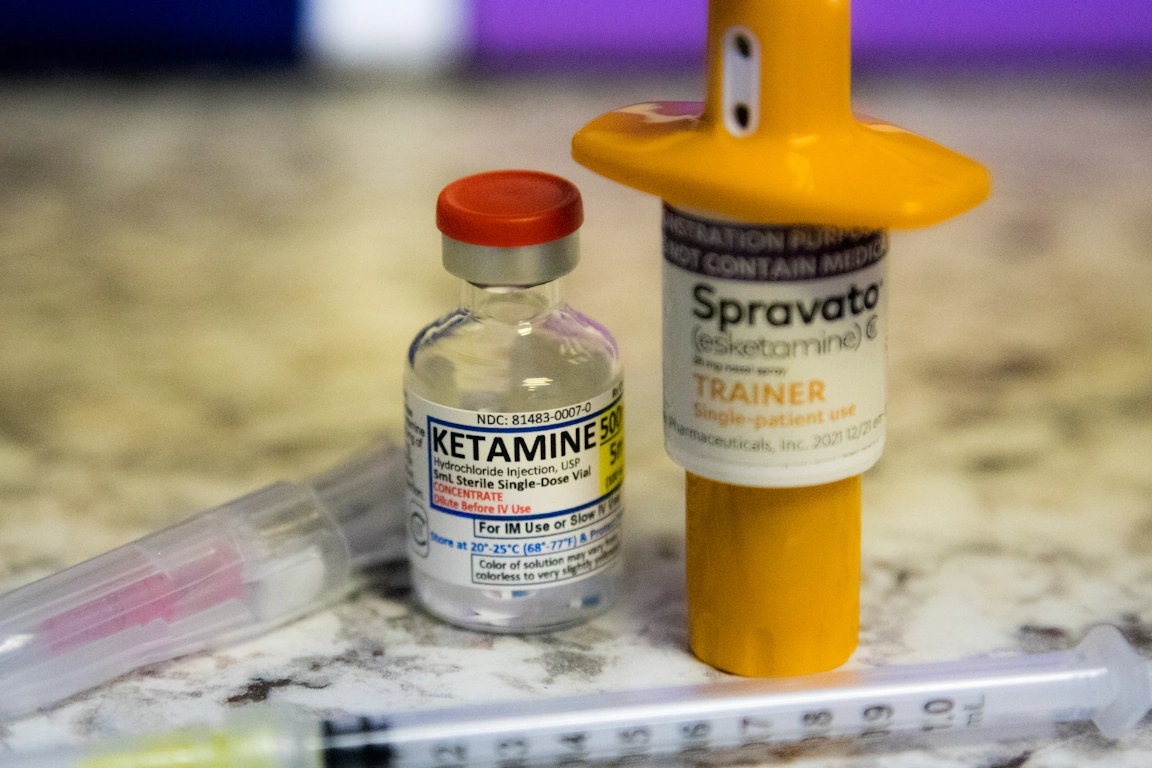
At Colorado Psychiatry Solutions, we offer ketamine therapy in the form of infusions and Spravato, a nasal spray. As with any medical treatment, there may be interactions between ketamine and other substances, such as alcohol or cannabis, that could pose additional risks or potentially diminish the treatment’s effectiveness.
In this article, we’ll review how ketamine interacts with other drugs and alcohol so that you can be informed and educated on what to avoid during your treatment.
Understanding Substance Interactions with Ketamine
A primary safety concern when combining ketamine with other substances is the principle of additive central nervous system (CNS) depression. Ketamine, through its action on the NMDA receptor, reduces neural signaling. When combined with substances that also have depressant effects on the CNS—such as alcohol, opioids, or benzodiazepines—this effect is significantly amplified.
This synergistic interaction between ketamine and other drugs can lead to a state of over-intoxication, causing profound sedation, impaired motor function, or even respiratory depression, which can be life-threatening.
Beyond physical harm, certain substances can interfere with the core therapeutic action of ketamine, hindering the treatment’s very purpose. Ketamine therapy is designed to stimulate specific areas of the brain to promote healthier brain activity and foster neuroplasticity. When a patient uses other psychoactive substances, these substances can alter brain activity in a way that conflicts with or diminishes the effects of treatment.
Alcohol and Ketamine: Can you drink alcohol during ketamine treatment?
We discourage consuming alcohol within 24 hours of ketamine therapy. The combination of ketamine and alcohol represents one of the most dangerous substance interactions. Alcohol and ketamine are both nervous system depressants, and their combined presence can lead to a dangerous compounding effect.
Although the risk is greatest when ketamine or alcohol are taken in excessive amounts, especially when ketamine dosages far exceed normal clinical usage, it is still best to play it safe and avoid alcohol use during ketamine treatment. Your brain and body are working to repair and restore healthy brain function. At the very least, alcohol consumption can delay this process, if not outright prevent it.
If you are considering ketamine therapy at Colorado Psychiatry Solutions, please know that you can discuss your alcohol usage in confidence with your mental health provider. We are a judgment-free clinic. Our interest lies in keeping patients safe and ensuring the best possible outcomes from treatment.
Cannabis and Ketamine: Can you use marijuana during ketamine treatment?
While not carrying the same level of risk as the combination of ketamine and alcohol, the use of cannabis with ketamine therapy presents a two-fold problem: it can increase nervous system side effects and, more importantly, it can diminish the efficacy of the treatment. The compounded sedative effects can lead to increased dizziness, drowsiness, confusion, and difficulty concentrating, which can be disorienting and uncomfortable for the patient.
The most significant clinical concern, however, is the potential for cannabis to interfere with the therapeutic goals of the treatment. For many patients, cannabis serves as a coping mechanism for emotional or mental distress. However, cannabis can alter brain activity in the same areas that ketamine is designed to stimulate, potentially counteracting the beneficial effects of ketamine treatment.
To ensure the best outcome from treatment, we recommend a period of abstinence from cannabis prior to and throughout the treatment course. However, this is not a strict requirement that would bar you from being entered into treatment. We encourage you to discuss cannabis use with your mental health provider prior to beginning ketamine therapy at Colorado Psychiatry Solutions so we can make the best-informed clinical decision on care.
Other Central Nervous System Depressants
The dangers of nervous system depression extend to other classes of medication, including opioids, benzodiazepines, and barbiturates. Like alcohol, these substances can lead to a dangerous additive effect when combined with ketamine, causing severe sedation and respiratory compromise. Benzodiazepines in particular can prolong the time to full recovery from ketamine and can block the breakdown of the medication, potentially leading to higher concentrations and an increase in side effects.
For patients on these medications, full and transparent disclosure is critical, as a physician may need to adjust dosing or even recommend a tapering schedule prior to beginning therapy to mitigate risks. Please make sure to discuss any medication you are taking with your provider prior to starting ketamine therapy.
Ketamine Use with Adderall, Ritalin, or other Stimulants
Ketamine and stimulant medications, such as Adderall or Ritalin, are also a concern due to possible cardiovascular strain. Ketamine can cause cardiovascular stimulation, including an increase in blood pressure and heart rate. Stimulants primarily boost dopamine and norepinephrine activity, which also elevate heart rate and blood pressure. When combined, these overlapping effects can create cardiovascular stress, particularly for patients with pre-existing conditions like hypertension.
Any use of stimulant medications, such as Adderall or Ritalin, should be disclosed to your mental health provider prior to beginning ketamine therapy.
Antidepressants and Ketamine Therapy
Patients often ask whether they need to stop taking their current antidepressants to begin ketamine therapy. The good news is that ketamine and selective serotonin reuptake inhibitors (SSRIs) operate on different neurological pathways, so they do not directly interfere with each other’s mechanisms.
We recommend that patients keep taking their current antidepressants during ketamine treatment and do not increase or decrease the dosage without first consulting with their mental health provider.
Ketamine Therapy in Colorado Springs
If you have questions about ketamine therapy at Colorado Psychiatry Solutions, please schedule an appointment to speak with one of our providers today. Our clinic locations in Colorado Springs and Monument are conveniently located across the Colorado Springs area, making it easy to find and schedule an appointment. Our team is here to guide you through the process, answer your questions, and support you at every step.
To schedule a consultation, please contact us today at 719-622-6522 or request an appointment online. We look forward to seeing you!