With over 100,000 veterans and active-duty military members calling El Paso County home, the Colorado Springs area is known for its strong veteran and military community. Our community honors the sacrifice and commitment that military service entails. While the physical hardships of military service are well known, the mental toll of combat and deployment can often go unrecognized.
The reality of Post-Traumatic Stress Disorder (PTSD) among the military, veteran, and first responder community is pervasive. Studies consistently show higher rates of PTSD within military populations due to combat and operational trauma, impacting not just the members who serve but their families and our entire community. Living with PTSD can be challenging, with negative impacts on careers, relationships, and families.
At Colorado Psychiatry Solutions, we understand the unique challenges faced by our local heroes and neighbors. We are dedicated to providing comprehensive mental health care, especially to those who have served. Our clinic was founded by a military veteran and we continually seek new ways to serve our military and ex-military patients.
In this post we’ll evaluate the different PTSD treatment options available at our practice, including crucial information on insurance and TRICARE coverage, enabling you to make an informed decision on your path to healing.
Psychiatry and Medication Management
For any mental health concern, including depression and PTSD, a comprehensive psychiatric evaluation is an essential first step. During this detailed assessment, one of our psychiatry providers will conduct a thorough mental health evaluation. You will be screened for PTSD, evaluated for co-occurring conditions, and asked about your medical and psychiatric history.
Medication management is often a first course of treatment. While medications do not cure PTSD, they can significantly reduce the intensity of its symptoms, enabling individuals to engage more effectively in other therapies. Common medications used include:
- Selective Serotonin Reuptake Inhibitors (SSRIs) and Serotonin-Norepinephrine Reuptake Inhibitors (SNRIs): Antidepressants that can alleviate symptoms of sadness, anxiety, and reactivity, often considered first-line pharmacological treatments.
- Prazosin: Frequently prescribed specifically to help manage PTSD-related nightmares and improve sleep quality.
Starting treatment with medication is often ideal for stabilizing symptoms and gaining a clear diagnostic picture. Ongoing medication management involves close monitoring of efficacy and side effects, while making adjustments as needed.
TRICARE Coverage for Mental Health Medication
Standard psychiatry visits and medication management services are generally well-covered by most major health insurance plans, including TRICARE, with appropriate referrals and authorizations, particularly for specialty care or certain medications. Nearly universal insurance coverage makes these services readily accessible for most military members and veterans.
Exploring Innovative and Interventional Treatments
If traditional medication and talk therapy approaches do not provide sufficient relief, innovative, faster-acting interventional treatments may be able to achieve a better result.
Ketamine Therapy and Spravato
Both Ketamine therapy and Spravato work fundamentally differently from traditional antidepressants. Ketamine and Spravato target glutamate, a neurotransmitter associated with synaptic plasticity. This unique mechanism allows for potentially rapid and profound symptom reduction, sometimes within hours or days, making these treatments ideal for individuals with severe or treatment-resistant cases.
- Ketamine Infusions: Administered in a comfortable in-clinic setting via intravenous (IV) or intramuscular (IM) injection, ketamine infusions can provide rapid relief from severe depression, anxiety, and PTSD symptoms, often when other treatments have failed. These are typically intensive treatments requiring regular clinic visits and close medical supervision.
- Spravato (esketamine nasal spray): While not explicitly FDA-approved for PTSD itself, Spravato is FDA-approved for Treatment-Resistant Depression (TRD) and depressive symptoms in adults with Major Depressive Disorder (MDD) with acute suicidal ideation or behavior. Given the high co-occurrence of severe depression and suicidality in patients with PTSD, Spravato can effectively address these critical symptoms, providing fast-acting relief while other treatments begin to take effect.
Ketamine therapy and Spravato treatment offer our Colorado Springs military community an option for fast relief of debilitating symptoms. These treatments can be especially useful in times of crisis or for severe, enduring symptoms that have resisted other interventions.
Insurance & TRICARE Coverage for Ketamine Therapy and SPRAVATO
Spravato: Frequently covered by insurance, including TRICARE, as long as the specific treatment criteria are met. Patients must have a qualifying diagnosis to be eligible for coverage.
Ketamine Infusions: Ketamine therapy is typically not covered by insurance and is an out-of-pocket/self-pay option. Insurance companies and TRICARE almost never cover ketamine infusions for psychiatric conditions, typically viewing them as experimental or off-label for coverage purposes despite significant evidence of efficacy.
Ketamine-Assisted Therapy (KAP)
For some individuals, combining the potential breakthroughs offered by ketamine with integrated psychotherapy can be transformative. Ketamine-Assisted Therapy involves administering a low, therapeutic dose of ketamine in an integrated psychotherapeutic setting. This approach leverages the temporary window of increased neuroplasticity induced by ketamine to facilitate deeper processing of traumatic memories and emotional content during the integration therapy sessions immediately following administration.
KAP can provide faster, more profound breakthroughs and durable change by integrating the physiological and psychological aspects of healing. Patients report that the combination of ketamine and psychotherapy produces faster results than either treatment alone.
Insurance & TRICARE Coverage for Ketamine-Assisted Therapy
Insurance coverage for the comprehensive KAP service model is rare. While individual psychotherapy sessions might be coverable by insurance including TRICARE if billed traditionally, the fully integrated KAP model itself is almost always a self-pay treatment.
TMS (Transcranial Magnetic Stimulation)
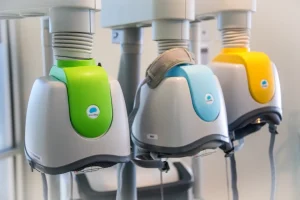
TMS is an interventional psychiatry treatment that uses targeted magnetic pulses produced by a TMS medical device to stimulate specific areas in the brain involved in mood regulation. Performed daily in an outpatient setting over a period of 6 weeks, TMS is unique in that it targets the brain directly and works to actually modify the brain itself.
TMS is generally very safe and well-tolerated, often used when medications have failed or cause significant side effects. With a growing body of evidence and some specific device clearances/approvals for PTSD directly (or co-occurring conditions like depression), TMS can durably improve symptoms for many individuals.
Insurance & TRICARE Coverage for TMS
TMS is frequently covered by many insurances, including TRICARE, specifically for Treatment-Resistant Depression after multiple failed medication trials. Coverage specifically for PTSD as the sole indication might be more variable and challenging, though possible in some instances with documentation of treatment resistance and appropriate coding. TRICARE’s strong depression coverage often makes TMS a predictable and covered option for those with co-occurring depression.
Evaluating Your PTSD Treatment Options in Colorado Springs
If you are struggling with PTSD, our Colorado Psychiatry Solutions team is here to help. As you consider which treatment option may be best, here are some general guidelines for deciding which treatment may suit you the best. Of course, all treatment decisions should be discussed with your mental health care provider.
- Severity and Urgency: Do you require immediate relief from severe symptoms or crisis? Faster-acting options like Ketamine infusions or Spravato might be preferred, especially if there is co-occurring severe depression or suicidality.
- Treatment Resistance: Have you tried multiple medications or therapies with limited success? If traditional treatment options have failed, newer interventional treatments like TMS, Spravato, or Ketamine infusions should be considered.
- Insurance, TRICARE, and Budget: Insurance coverage is always an important piece of the puzzle. Some treatments, like medication and therapy, may be covered immediately. Other treatments, like TMS and Spravato, are only covered with a qualifying diagnosis and if other treatments have already been tried. And some treatments, like ketamine infusion therapy and KAP are primarily out-of-pocket expenses. Consider what you are realistically able and willing to pay for out-of-pocket.
- Time Commitment: Can you accommodate daily, intensive, or weekly clinic visits? Consider whether your schedule allows for daily TMS sessions or regular interventional treatments.
At Colorado Psychiatry Solutions we have found that combining treatments is often the most effective strategy. For example, medication management might provide a stable foundation, enabling better engagement in therapy or enhancing the benefits of an interventional treatment like TMS. Ketamine therapy and TMS provide excellent synergies in patient care. Your provider may recommend more than one treatment in order to provide the best chance of recovery.
Key Takeaways for PTSD Treatment in Colorado Springs
The most important takeaway from this article is that healing from PTSD is possible. Even if you have already tried treatment without success, there are newer options and treatment combinations that are yielding excellent results for our military and veteran population here in Colorado Springs.
Don’t wait any longer. Schedule a comprehensive evaluation today at Colorado Psychiatry Solutions. We have three clinic locations in Colorado Springs and one clinic location in Monument to help you take the first step towards reclaiming your life.
To schedule an appointment, please contact us directly at 719-622-6522.