


Depression is one of the most common mental health conditions worldwide and can affect every aspect of daily life, including relationships, work performance, sleep, emotional health, and physical well-being. While many individuals improve with therapy, lifestyle changes, or antidepressant medications, others continue experiencing persistent symptoms despite trying multiple treatment approaches.
For individuals living with treatment-resistant depression, ongoing symptoms can feel discouraging and emotionally exhausting. In recent years, advances in interventional psychiatry have created additional treatment possibilities for patients who have not experienced adequate improvement with traditional methods.
Two of the most promising interventional psychiatry treatments for depression are Transcranial Magnetic Stimulation (TMS) therapy and ketamine treatment. While each treatment may be effective individually, some patients and providers are increasingly exploring the potential benefits of combining TMS and ketamine as part of a personalized depression treatment plan.
Colorado Psychiatry Solutions provides advanced psychiatric care for patients throughout Colorado Springs and Monument, helping individuals explore evidence-based treatment options for depression, anxiety, PTSD, and other complex mental health conditions.
Understanding Treatment-Resistant Depression
Depression affects millions of individuals every year and can range from mild symptoms to severe emotional distress that interferes with daily functioning.
Some individuals respond well to first-line treatments such as antidepressant medications or psychotherapy. However, others continue experiencing ongoing symptoms despite trying multiple medications, therapy approaches, or lifestyle interventions.
This condition is often referred to as treatment-resistant depression.
Symptoms may include:
- Persistent sadness
- Emotional numbness
- Low motivation
- Sleep disturbances
- Difficulty concentrating
- Fatigue
- Loss of interest in activities
- Feelings of hopelessness
- Anxiety symptoms
- Suicidal thoughts
Treatment-resistant depression can significantly affect long-term quality of life, making it important for patients to explore additional treatment options under professional psychiatric guidance.
Why Traditional Depression Treatments Do Not Work for Everyone
Antidepressant medications are commonly prescribed for depression and may help many individuals improve symptoms over time. However, finding the right medication can sometimes involve trial and error.
Some patients may experience:
- Limited symptom improvement
- Delayed treatment response
- Medication side effects
- Emotional blunting
- Ongoing depressive symptoms despite treatment
Traditional antidepressants often work by affecting serotonin, norepinephrine, or dopamine pathways within the brain. However, depression is a complex condition involving multiple neurological systems, emotional factors, and environmental influences.
Because of this complexity, some individuals explore interventional psychiatry treatments such as ketamine therapy or TMS therapy when conventional approaches have not provided enough relief.
What Is Ketamine Therapy?
Ketamine has been used in medical applications for decades. In recent years, ketamine has gained significant attention within psychiatry because of its rapid effects on mood-related symptoms.
Unlike many antidepressants that may take several weeks to produce noticeable improvement, ketamine may help some individuals experience symptom relief more quickly.
Researchers believe ketamine affects glutamate pathways in the brain and may help support neuroplasticity, the brain’s ability to form and strengthen neural connections involved in emotional regulation and cognitive functioning.
Ketamine treatment may be considered for individuals experiencing:
- Treatment-resistant depression
- Severe depressive symptoms
- Anxiety and depression together
- PTSD-related symptoms
- Mood instability
Colorado Psychiatry Solutions offers:
- Ketamine infusion therapy
- Spravato (esketamine) treatment
Treatment recommendations are personalized based on each patient’s symptoms, history, and clinical goals.
What Is TMS Therapy?
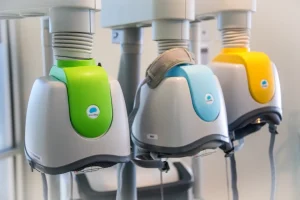
Transcranial Magnetic Stimulation (TMS) is a non-invasive treatment that uses targeted magnetic pulses to stimulate areas of the brain associated with mood regulation.
TMS is FDA-cleared for depression treatment and is commonly used for patients experiencing treatment-resistant symptoms. Unlike medications, TMS directly targets specific brain regions involved in depression without creating systemic side effects throughout the body.
TMS therapy is typically performed in an outpatient setting and does not require anesthesia or sedation.
Patients may explore TMS treatment when they:
- Have not improved with antidepressant medications
- Experience medication side effects
- Continue struggling with depression symptoms
- Prefer non-medication treatment approaches
- Want alternatives to long-term medication-only care
Many patients also report improvements in anxiety symptoms, emotional regulation, and overall mental wellness during treatment.
Why Some Patients Combine TMS and Ketamine Treatment
TMS therapy and ketamine treatment work differently within the brain, which is one reason some psychiatric providers may recommend combining these approaches as part of a broader treatment strategy.
Ketamine may help promote rapid symptom improvement and increased neuroplasticity, while TMS focuses on stimulating areas of the brain associated with emotional regulation and mood processing.
For some individuals, combining these treatments may help support:
- Emotional stabilization
- Reduced depressive symptoms
- Improved cognitive functioning
- Increased treatment engagement
- Long-term mood improvement
- Better overall functioning
Mental health treatment is highly individualized, and advanced interventional psychiatry approaches are tailored to each patient’s unique diagnosis, symptoms, and treatment goals.
How Ketamine and TMS Work Together
One reason providers continue exploring combined TMS and ketamine treatment is that the therapies may complement each other neurologically.
Ketamine may help create a temporary window of enhanced neuroplasticity, allowing the brain to become more adaptable and responsive. TMS therapy then works by repeatedly stimulating targeted brain regions associated with depression and mood regulation.
Some psychiatric professionals believe this combination approach may help strengthen neural pathways involved in emotional processing and symptom improvement.
While every patient responds differently, combining TMS and ketamine may provide an additional option for individuals seeking more comprehensive depression treatment strategies.
What Current Research Suggests
Research surrounding ketamine therapy and TMS continues to expand rapidly within psychiatry.
Studies involving ketamine treatment have shown promising results for treatment-resistant depression and suicidal ideation, while ongoing TMS research continues exploring improvements in mood regulation, depression symptoms, and emotional functioning.
Interest in combining TMS and ketamine has also grown as providers seek more personalized and integrative approaches for complex mental health conditions.
Although research on combined treatment protocols is still developing, interventional psychiatry continues evolving toward individualized treatment strategies focused on brain health, neuroplasticity, and long-term mental wellness.
Potential Benefits of Combining TMS and Ketamine
Some patients exploring combined interventional psychiatry treatments may be seeking:
- Faster symptom improvement
- Better emotional regulation
- Reduced depressive symptoms
- Improved treatment response
- Enhanced cognitive functioning
- Non-medication treatment alternatives
- Personalized mental health care
Because every patient’s mental health history is different, treatment recommendations should always be guided by a qualified psychiatric provider.
Colorado Psychiatry Solutions develops individualized treatment plans based on clinical evaluations, symptom severity, previous treatment history, and patient goals.
Who May Benefit From Advanced Depression Treatment Options?
Advanced depression treatments such as TMS therapy and ketamine treatment may be considered for individuals who:
- Have treatment-resistant depression
- Have tried multiple antidepressants without success
- Experience ongoing depression symptoms
- Struggle with depression and anxiety together
- Experience medication side effects
- Prefer alternatives to medication-only treatment
A comprehensive psychiatric evaluation helps determine whether interventional psychiatry treatments may be appropriate based on each patient’s unique medical and mental health history.
Depression Treatment in Colorado Springs and Monument
Colorado Psychiatry Solutions provides advanced psychiatric care for patients throughout:
- Colorado Springs
- Monument
- El Paso County
- Nearby Colorado communities
Services may include:
- Psychiatric evaluations
- Medication management
- TMS therapy
- Ketamine therapy
- Spravato treatment
- Therapy referrals
- Telehealth psychiatry services
Patients experiencing persistent depression symptoms can work with a psychiatric provider to explore evidence-based treatment options designed around their individual needs.
Personalized Mental Health Treatment at Colorado Psychiatry Solutions
No single depression treatment works for every individual. Effective psychiatric care often requires personalized treatment planning, ongoing monitoring, and evidence-based clinical support.
Colorado Psychiatry Solutions focuses on compassionate, patient-centered psychiatry services designed to help individuals explore advanced treatment options safely and thoughtfully.
The clinic specializes in evidence-based interventional psychiatry treatments for depression, anxiety, PTSD, OCD, and related mental health conditions throughout Colorado Springs and Monument.
Conclusion
Living with chronic depression can feel overwhelming, especially when traditional treatment approaches have not provided lasting improvement.
Advances in interventional psychiatry are creating new possibilities for individuals experiencing treatment-resistant depression. Treatments such as TMS therapy and ketamine treatment offer innovative approaches focused on brain function, neuroplasticity, and long-term emotional wellness.
Colorado Psychiatry Solutions provides compassionate, evidence-based psychiatric care for patients throughout Colorado Springs and Monument, helping individuals explore personalized treatment options with professional clinical guidance.