


Eighty-seven percent of parents say the weeks before school starts are the most stressful stretch of their year, and they’re not imagining it: roughly three in four high schoolers report feeling stressed as the new school year approaches. In Colorado, the numbers carry extra weight. The 2025 Healthy Kids Colorado Survey found that 22% of high schoolers reported persistent sadness or hopelessness, and diagnoses of anxiety and depression in kids ages 6 to 17 nationwide have climbed nearly 30% in recent years.
None of that tells a parent what they actually need to know: is this ordinary first-day nervousness, or is something bigger building underneath it, timed to arrive right alongside the backpacks and bus schedules? That’s the question this article answers. For some teens, especially those 15 and older, there’s now a medication-free option worth knowing about too: TMS therapy.
Why the Start of the School Year Hits Teen Mental Health So Hard
A handful of pressures land on teenagers all at once every August. Academic expectations reset to full intensity overnight, after a summer with none. Friend groups shift, and figuring out where you fit again can feel like starting over. Sleep schedules that drifted all summer suddenly need to snap back to early alarms. Tryouts, auditions, and the first big test of the semester bring performance pressure right back. And the social media comparison that eases up over break ramps back up the moment school is in session. None of this is new by itself, but the pileup is real, and it’s part of why anxiety and depression diagnoses in children ages 6 to 17 have risen almost 30% since 2020, not a one-year blip.
Ordinary First-Day Jitters vs. Something That Needs Attention
Normal jitters are mild and short-lived. A teenager might feel butterflies on day one, then settle in within a week or two as the schedule feels familiar and friendships pick back up. A pattern that needs attention looks different: it doesn’t fade, it gets more intense, and it starts pushing into school, friendships, or family life.
Watch for avoidance above everything else: refusing to go, bargaining to stay home “just this once,” lingering in the car at drop-off, calling home repeatedly during the day. Avoidance deserves its own mention because it’s the mechanism that lets anxiety grow instead of resolve; every day it works, it gets a little more convincing. Physical complaints clustered around school time, stomachaches and headaches especially, along with disrupted sleep or appetite, are worth watching too. For the fuller list of depression-specific warning signs, see Recognizing Signs of Teenage Depression.
When Anxiety and Depression Show Up Together
Back-to-school anxiety doesn’t always stay in its own lane. It can surface, or worsen, a depression that had been building quietly over the summer, since the structure and social contact of school tend to expose things that unstructured time hides. That distinction matters: August and September are usually when these overlapping issues become visible to parents and teachers, not when they actually started. A teenager who seemed fine in July isn’t necessarily fine; they may have just been somewhere school couldn’t reach them yet.
Why Some Teens Resist Getting Help
A lot of teens push back on starting an antidepressant, and the reasons are practical, not stubborn. Side effects like emotional blunting, weight changes, or fatigue are real concerns at an age when body image and identity already feel fragile. Remembering a daily pill is also genuinely hard for a teenager juggling a full schedule, and missed doses are common. None of that means medication is the wrong choice for every teen, but it does explain why more families are asking what else is out there.
TMS: A Medication-Free Option for Teens 15 and Older
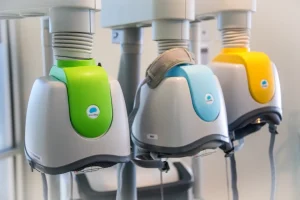
NeuroStar Advanced Therapy, TMS for short, received FDA clearance in March 2024 as an adjunct treatment for major depressive disorder in adolescents ages 15 to 21, the first and only TMS therapy cleared for that age group. The early results are encouraging: data presented at the 2024 American Academy of Child and Adolescent Psychiatry conference found that nearly 60% of adolescents with major depressive disorder reached remission with NeuroStar TMS, and a separate analysis of more than 1,100 adolescent patients found 78% achieved clinically meaningful improvement.
Sessions run about 25 minutes, require no sedation, and teens go back to school or practice the same day. Insurance coverage has been expanding steadily since the 2024 clearance (Humana was first to approve it, in May 2024, with other major carriers following), typically starting at age 15. Learn more about TMS therapy and adolescent psychiatry services, or read the fuller case in Why Families in Colorado Springs Are Choosing TMS for Their Teens.
Getting Your Teen Evaluated in Colorado Springs
Colorado Psychiatry Solutions sees patients ages 14 and older at four locations across Colorado Springs and Monument. If the warning signs above are showing up in your teen and they’re not easing as the school year settles in, the next step is a professional evaluation, not guesswork or waiting to see what October brings. Call (719) 622-6522 or request an appointment online.
Frequently Asked Questions
Is my teen’s back-to-school anxiety normal, or something more serious? Some nervousness in the first week or two is normal and usually fades on its own. It’s worth a closer look if the anxiety is intense, doesn’t improve after the first few weeks, or starts interfering with school attendance, friendships, or family life.
How long should back-to-school jitters last before I should be concerned? Most teens settle in within one to two weeks as routines become familiar again. If your teen is still struggling past that point, or things are getting worse instead of better, it’s reasonable to seek an evaluation.
Is TMS approved for teenagers? Yes. NeuroStar TMS received FDA clearance in March 2024 as an adjunct treatment for major depressive disorder in adolescents ages 15 to 21. It is not approved for younger teens.
Does insurance cover TMS for teens? Coverage has been expanding since the 2024 clearance, with Humana among the first major carriers to approve it. Call (719) 622-6522 to check your specific plan.