


You’ve tried one antidepressant, then another. Maybe a third. You waited through the weeks it takes for each medication to start working. You adjusted dosages. You followed your treatment plan. Yet the depression never fully lifted.
If this sounds familiar, you’re not alone. Many people with depression find that standard antidepressants provide little relief, or stop working after a period of improvement. Treatment-resistant depression affects a significant portion of people diagnosed with major depressive disorder, leaving many feeling discouraged after multiple unsuccessful treatment attempts.
The good news is that treatment-resistant depression does not mean untreatable depression. Newer therapies have changed what is possible for patients who have exhausted traditional medication options.
Colorado Psychiatry Solutions specializes in complex mental health conditions, including treatment-resistant depression. For patients seeking treatment-resistant depression treatment in Colorado Springs, the clinic offers Transcranial Magnetic Stimulation (TMS), ketamine therapy, SPRAVATO® (esketamine), and genetic testing to help identify more effective treatment paths.
Ready to explore options beyond antidepressants? Contact Colorado Psychiatry Solutions to schedule a comprehensive evaluation and discuss which treatment may be right for you.
What is treatment-resistant depression?
Treatment-resistant depression (TRD) is generally defined as depression that has not responded adequately to at least two antidepressant medications taken at appropriate doses and for an adequate duration, usually four to six weeks or longer during the same depressive episode.
Some clinicians use a broader definition that includes patients who have not improved despite psychotherapy, medication combinations, or augmentation strategies such as lithium, aripiprazole, or bupropion.
For many patients, the experience follows a familiar pattern. One medication fails to help. Another causes side effects without meaningful improvement. A third offers temporary relief before symptoms return. Over time, the cycle can create frustration, hopelessness, and self-doubt.
Many people begin to wonder whether they are somehow beyond help. They are not.
Treatment-resistant depression is a medical condition influenced by brain chemistry, genetics, neural circuitry, and individual biological differences. Failure to respond to medication does not reflect a lack of effort, motivation, or commitment to treatment.
In some cases, pharmacogenomic testing can provide answers. Genetic testing for antidepressants can identify how your body processes specific medications and help explain why previous treatments may not have produced the expected results.
Advanced treatment options for treatment-resistant depression at CPS
Colorado Psychiatry Solutions was built around a clear mission: helping patients whose symptoms have not improved through conventional treatment. The clinic offers several evidence-based approaches that target depression through different biological pathways than standard antidepressants.
TMS therapy for treatment-resistant depression
Transcranial Magnetic Stimulation, commonly known as TMS, is one of the most studied treatments available for treatment-resistant depression.
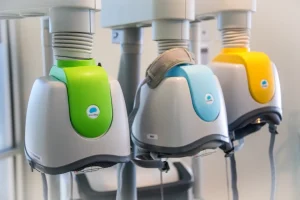
TMS uses precisely targeted magnetic pulses to stimulate the left dorsolateral prefrontal cortex, an area of the brain that often shows reduced activity in people with depression. By increasing activity within these neural circuits, TMS can help restore healthier patterns of brain function.
One reason TMS succeeds where medications fail is that it works differently. Antidepressants primarily target neurotransmitters such as serotonin and norepinephrine. TMS directly influences the brain networks involved in mood regulation.
The FDA cleared TMS for major depressive disorder in 2008, and more than a decade of clinical research supports its effectiveness for patients who have not responded to medication.
A standard treatment course typically includes 36 sessions over six to nine weeks. Sessions usually last between 20 and 40 minutes. Patients remain awake throughout treatment and can return to work, school, or normal activities immediately afterward.
Clinical studies have shown that approximately 50% to 60% of treatment-resistant depression patients respond to TMS, while roughly 30% to 35% achieve remission.
Colorado Psychiatry Solutions also offers Accelerated TMS, including protocols based on advances in Stanford’s SAINT approach. These accelerated schedules condense treatment into a much shorter timeframe, often around five days, making them appealing for patients who need relief sooner or have scheduling limitations.
Most side effects are mild and temporary. Patients may experience scalp discomfort or headaches during the early sessions, but TMS does not cause cognitive impairment and does not require sedation.
Learn more about TMS for depression or explore the clinic’s full range of TMS therapy services.
Ketamine infusion therapy for treatment-resistant depression
Ketamine therapy has changed the treatment landscape for patients with severe depression that does not respond to antidepressants.
Unlike traditional psychiatric medications, ketamine acts primarily on NMDA glutamate receptors. This mechanism appears to promote the growth of new synaptic connections and improve communication between brain regions involved in mood regulation.
The speed of ketamine’s effects is one of its most distinctive features.
While antidepressants often require four to eight weeks before patients notice improvement, ketamine can produce antidepressant effects within hours or days. For people who have spent years struggling with persistent depression, that difference can be life-changing.
A standard IV ketamine protocol generally includes six infusions administered over two to three weeks. Depending on symptom severity and response, maintenance treatments may follow.
Ketamine may be particularly appropriate for patients experiencing moderate to severe treatment-resistant depression, substantial functional impairment, or suicidal thoughts. Research has shown that ketamine’s anti-suicidal effects can emerge rapidly and may occur independently of its broader antidepressant benefits.
Although ketamine is not a permanent cure, many patients maintain improvement through periodic maintenance infusions, combination treatment with TMS, or participation in Ketamine Assisted Psychotherapy.
Learn more about available ketamine therapy options at Colorado Psychiatry Solutions.
SPRAVATO® (Esketamine) for treatment-resistant depression
SPRAVATO® is the first FDA-approved ketamine-derived treatment specifically indicated for treatment-resistant depression.
Unlike IV ketamine, SPRAVATO contains esketamine and is delivered as a nasal spray. Patients self-administer the medication in a clinical setting under medical supervision and remain at the clinic for approximately two hours after treatment for observation.
Because SPRAVATO carries FDA approval for treatment-resistant depression, insurance coverage is often more accessible than coverage for IV ketamine therapy. Many commercial insurance plans, Medicare, and certain TRICARE plans provide benefits for eligible patients.
Treatment generally begins with an induction phase consisting of twice-weekly sessions for four weeks. The frequency gradually decreases during maintenance treatment based on clinical response.
Another advantage of SPRAVATO is that it is approved for use alongside an oral antidepressant, allowing patients to continue medication management while adding a different therapeutic mechanism.
Patients interested in costs and benefits can review the clinic’s list of insurance accepted plans.
Genetic testing: understanding why your antidepressants haven’t worked
Pharmacogenomic testing examines how your genetic profile influences medication response.
Some people metabolize antidepressants too quickly, reducing effectiveness. Others process medications too slowly, increasing side effects. Certain genetic variations can also influence how well specific antidepressant classes interact with brain receptors.
Colorado Psychiatry Solutions offers genetic testing for antidepressants to help identify medications that may be a better fit and highlight drugs that could create unnecessary side effects or poor outcomes.
The process is simple. Most tests require only a cheek swab. Insurance frequently covers testing for qualifying patients.
For individuals with a long history of medication failures, genetic testing can provide insight into patterns that previously seemed random and help guide future treatment decisions.
TMS vs. ketamine for treatment-resistant depression: how to choose
Many patients ask whether TMS or ketamine is the better option. The answer depends on symptom severity, treatment history, timeline, and personal preferences.
|
Factor |
TMS |
Ketamine / SPRAVATO |
|
Mechanism |
Magnetic stimulation of depression-related brain circuits |
Glutamate receptor modulation |
|
Speed of action |
Gradual improvement over weeks |
Improvement can occur within hours or days |
|
Duration of effect |
Often long lasting after a completed course |
Usually requires maintenance treatment |
|
Best suited for |
Patients seeking a non-drug treatment approach |
Patients needing rapid symptom relief |
|
Insurance coverage |
Commonly covered for qualifying patients |
SPRAVATO often covered; IV ketamine varies |
In practice, these treatments are not always competing options. Some of the strongest outcomes occur when patients receive both. Ketamine can provide rapid stabilization, while TMS helps build longer-term remission.
Learn more about TMS for depression and SPRAVATO to determine which path may fit your situation.
Frequently asked questions about treatment-resistant depression treatment in Colorado Springs
How many antidepressants do I need to fail before I qualify as treatment-resistant?
Most clinical definitions require failure of two adequate antidepressant trials. Colorado Psychiatry Solutions evaluates each patient individually. In some cases, severe side effects or other factors may justify considering advanced treatments sooner.
Does TMS work for treatment-resistant depression specifically?
Yes. TMS received FDA clearance for major depressive disorder in patients who did not respond adequately to antidepressant treatment. Research supporting TMS in treatment-resistant depression continues to grow. Learn more about TMS for depression.
Is SPRAVATO covered by insurance?
Many major insurance providers offer coverage for SPRAVATO because it is FDA-approved for treatment-resistant depression. Coverage varies by plan, so patients should verify benefits directly with the clinic and their insurer.
Can I combine TMS and ketamine treatment?
Yes. Colorado Psychiatry Solutions offers both therapies and frequently develops integrated treatment plans for patients with severe or long-standing depression. Treatment recommendations are tailored to each patient’s history and goals.
How do I get started if I’ve had treatment-resistant depression for years?
Schedule a comprehensive psychiatric evaluation to review your treatment history, symptoms, and previous responses. The care team can then recommend the next step based on your specific needs. Visit the contact page to request an appointment.
There is hope beyond antidepressants
Treatment-resistant depression can make it feel as though nothing will work. Many patients reach that conclusion after years of medication trials, therapy appointments, and continued symptoms.
The reality is that modern psychiatry offers options that did not exist a generation ago. TMS, ketamine therapy, SPRAVATO, and pharmacogenomic testing were developed because conventional antidepressants do not help everyone.
Colorado Psychiatry Solutions focuses on patients who have already tried standard approaches and need a different path forward.
If antidepressants have not provided the relief you need, schedule a consultation through the Request an Appointment page or take the Depression Quiz to begin exploring your options.